First, the Munich security conference. A lot of energy went into the mood music at Munich. Marco Rubio was much nicer than Vance was at the same do last year. That’s hardly a great achievement, given Vance’s behaviour, and Rubio had an easy ride, waxing sentimental about the European roots of the US, and drawing some pathetically grateful applause from members of his European audience. But the substance of what he said was the same as last year, in an even worse situation. His warm words don’t begin to repair the damage done over Greenland.
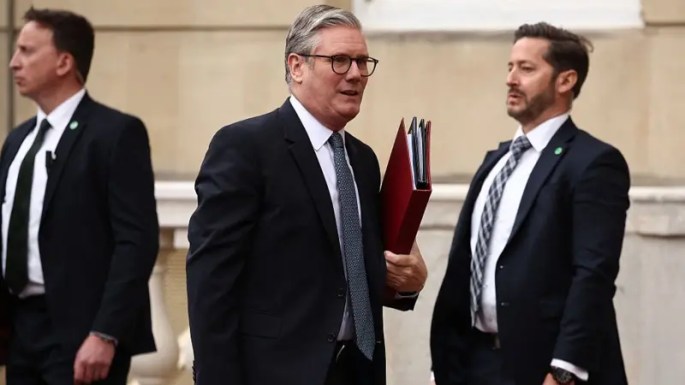
There was Munich mood music also from Starmer, who spoke of the end of the Brexit era, proclaiming a page turned in our relationship with the EU. It sounded great, but he didn’t actually have anything substantial on offer, so, yes, it was really all about mood. Certainly that mood was positive, and as a way of celebrating the negotiations with Europe over the past year, it was a positive look. But what has been achieved is limited, and the road ahead is as potholed as the A52. Also someone has noticed a new pothole- the UK’s Foie Gras ban which could mess up the negotiation of the veterinary agreement. We need more than mood music to get us over that.
However, its not now clear whether it matters any more what Starmer says or does. On the one hand the Gorton and Denton byelection result changes the landscape, with Labour coming in third, and the pro-Europe Greens winning handsomely, pushing reform into second place. So Starmer is more damaged than ever, and it will be interesting to see (1) how long he can last and (2) whether he will henceforth be able to summon up the political momentum to do anything further with Europe. On the other hand he is now half- supporting Trump’s attack on Iran, and wartime prime ministers typically get an extra lease of life in the short term. But he is stirring up a fair bit of indignation on the left over his subordination to Trump. So his extra lease could be very short indeed.
Assuming (and there’s no certainty on this) that the Iran war doesn’t create a national emergency and a major upheaval in the UK, and politics continues as usual, then we have the prospect of three years of rule by a disintegrating Labour party and a zombified Starmer. Slow torture. And, to twist the knife, unless the Greens work their magic on a grand scale, a Reform government awaits at the end of it. It would be great to think that the Greens will take over as the bulwark against Reform, keep them out of government, and keep the European momentum going. But I fear that’s a fantasy. Gorton and Denton is an untypical constituency, and anyway we need a different coalition to keep the European cause afloat. The Green accommodation with Your Party and the Gaza group won’t exactly strengthen their pro-Europe agenda. Who can rejoiners rely on?
 derby4europe